

February 24, 2026 | 97 views
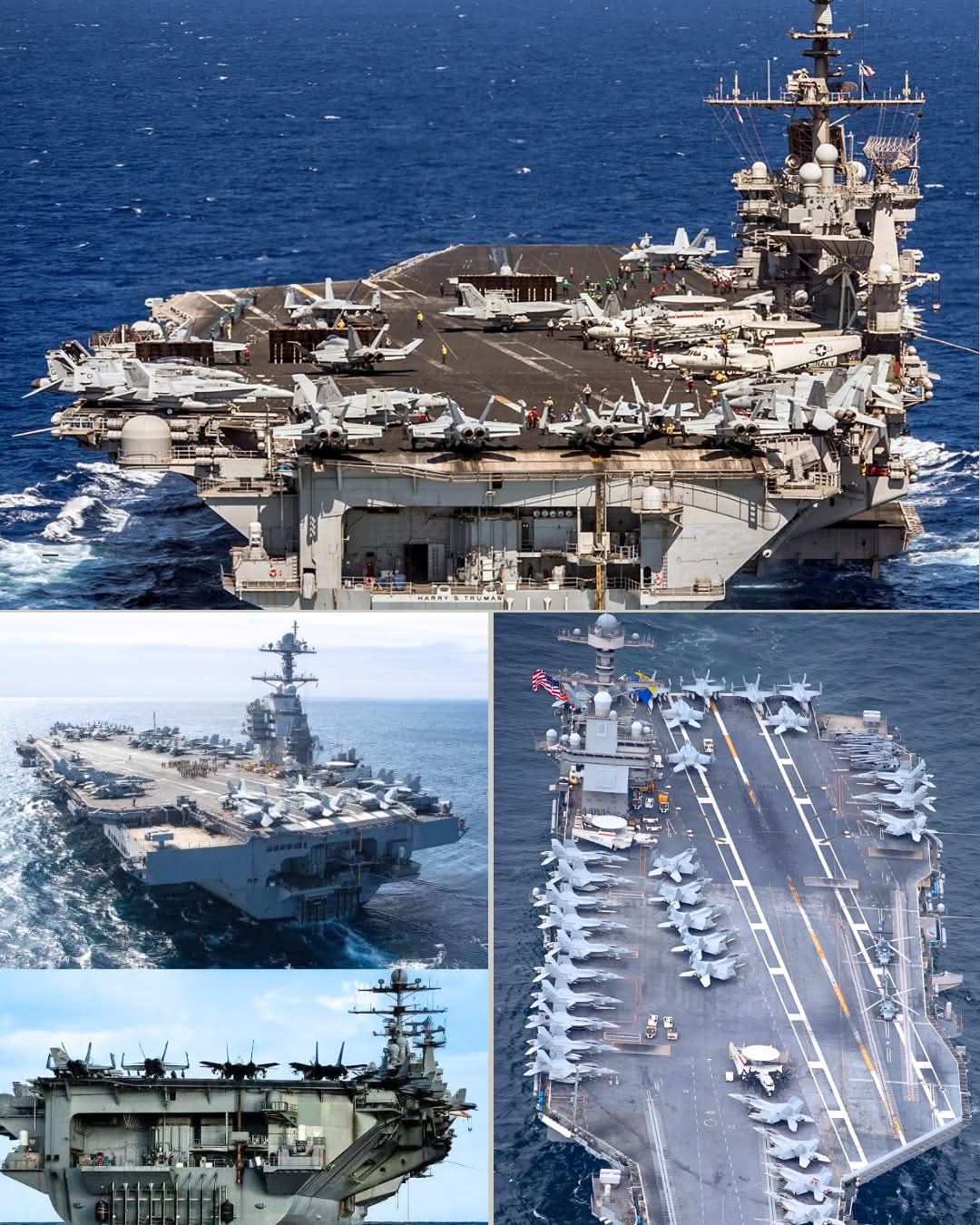
The deployment of the USS Gerald R. Ford to the Middle East comes amid one of the longest cruises in recent U.S. Navy history and that extended timeline is testing both ship and crew in ways planners never intended.
Originally slated for routine operations in the Mediterranean and Europe, the carrier was redirected to the Caribbean and later to the Middle East, lengthening what was supposed to be a six-month deployment into a cruise that could exceed 300 days at sea potentially breaking the post-Vietnam record for continuous aircraft carrier deployments.
Operational Performance: Strong, but Strained
From a purely mission standpoint, the Ford remains a powerful asset. Its advanced design and strike capability make it a linchpin of U.S. deterrence posture toward Iran. However, long deployments inevitably expose weaknesses that shorter missions might hide.
Key readiness challenges include:
1. Human Endurance and Morale
Crew members have been at sea for more than eight months, far beyond typical deployment lengths. Prolonged separation from family and the mental strain of extended watch rotations have led to rising fatigue and frustration among sailors with some crew members openly questioning future reenlistment.
2. Persistent Technical Issues
Even the most advanced systems aren’t immune to real-world wear:
Chronic failures of the ship’s vacuum sewage system have plagued daily life aboard ship, with frequent clogs and breakdowns reminding us that basic habitability can affect readiness.
Earlier reports going back years highlight past challenges with critical technologies like the Electromagnetic Aircraft Launch System (EMALS), Advanced Arresting Gear, and weapons elevators systems designed to support high sortie rates but historically slower to mature than expected.
3. Deferred Maintenance & Strain on Fleet Cycles
Extending one carrier’s time at sea ripples across the entire fleet. Planned maintenance schedules, yard availability, and readiness cycles for other carriers like the USS Dwight D. Eisenhower have been pushed back as a result, eroding the overall carrier rotation plan.
Strengths Still in Play
Despite these challenges, the Ford’s strategic value hasn’t diminished:
1. It’s still delivering power-projection capability in a high-stakes theater.
2. It continues to operate advanced systems and air wings, providing deterrence and operational options.
3. The ship remains central to U.S. naval posture even as sailors adapt to life far from home.
Bottom Line
Is the USS Gerald R. Ford ready?
Yes, but “ready” doesn’t mean unconstrained.
The carrier is fully capable of projecting power, launching air operations, and supporting sustained combat missions if necessary. However, nearly a year at sea with wear on equipment, strain on systems, and fatigue among crew highlights the challenge of pushing even the most advanced warship beyond its planned deployment timeline.
In short: the Ford remains a formidable force, but readiness is as much about endurance and maintenance as it is about weapons and reactors. Extended deployments reveal real limits, and commanders must balance strategic demand with long-term sustainability.
#middleeast #USSGeraldRFord
Related News




Advertisement
No adverts found.
Advertisement
No adverts found.
News Updates





Advertisement
No adverts found.