

December 1, 2025 | 129 views
SOROTI CITY-HIV prevalence in Soroti City stands at 11.6%, while Soroti District records a lower prevalence of 2.5%, according to the Uganda AIDS Commission report of 2025.
According to Mr Abdallah Ochoggia,the Advocacy and Communications Specialist in AIDS Information Centre-Uganda,the broader Teso sub-region, HIV prevalence among people aged 15-49 years is 3.3%, with higher rates observed in neighboring sub-regions such as Acholi at 7.0% and Ankole at 6.3%.
These statistics, Mr Ochoggia says highlight significant localized variations in HIV burden, underscoring the importance of targeted interventions within high-prevalence areas.
AIDS Information Centre (AIC) in Uganda has implemented an integrated HIV service delivery model within general health care settings in the Teso sub-region, supported by CDC/PEPFAR funding since October 2023.
“The integration approach involves leadership for service integration, reorganizing service delivery, logistics and supply chain management, and optimizing human resources. AIC directly supports 70 project staff, 5 health workers, and 823 community health workers to enhance service coverage and effectiveness”,he explained.
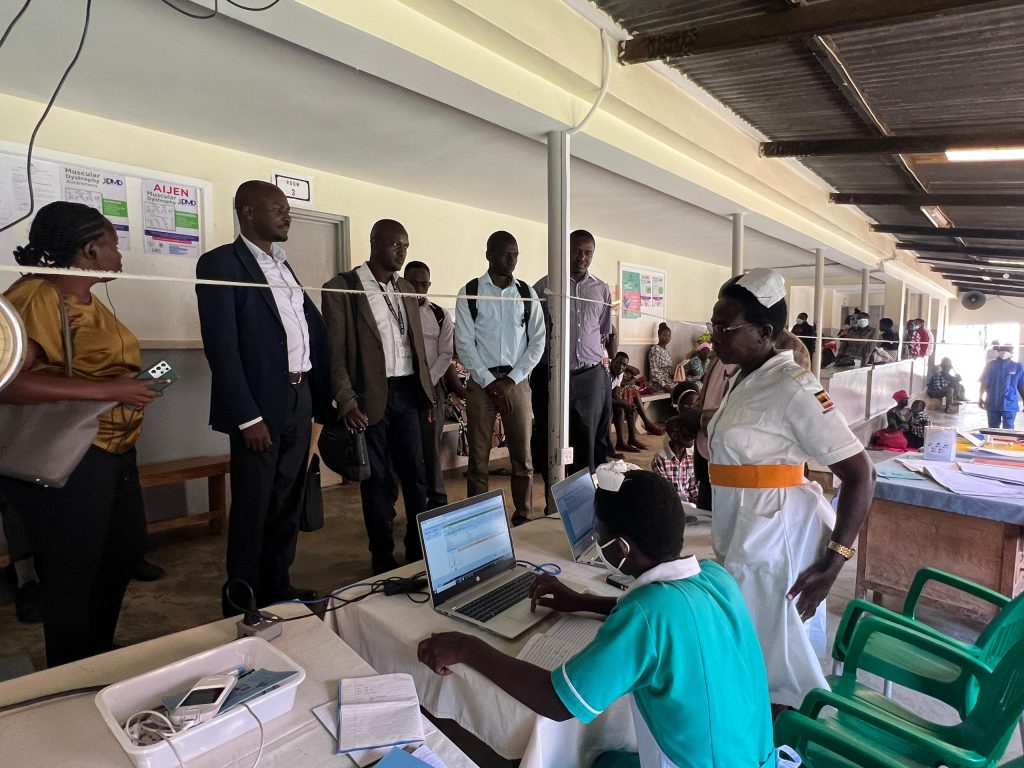
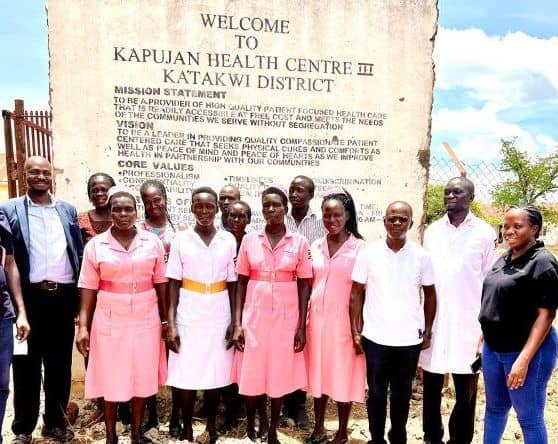
AIDS Information Center On Support Supervision In Kapujan Health Center 111 In Katakwi District Together With The Health Center Staff.
The programme has strengthened laboratory systems and diagnostic services, achieved quality management systems, and sustained the accreditation of Amuria General Hospital and Kaberamaido General Hospital laboratories. Several health facilities, including Atutur, Apapai, Bukedea, Ngora, and Serere Health Centres IV, were equipped with solar-powered backup systems for uninterrupted services in collaboration with the Ministry of Health. All Health Centre IV facilities have also been equipped with equipment to perform organ function tests, catalyzing improved diagnostic capabilities.
He explained that capacity building has been a key component, with regional and district laboratory technical teams trained, mentored, and coached to enhance skills and quality service delivery. The integration extends to community services, primary health care, waste management, and equipment management systems, ensuring a holistic approach to HIV care within the broader health system.
“The collaboration spans 111 government health facilities in the Teso sub-region, embedding HIV services within routine health service delivery, which aligns with national guidelines promoting person-centered, integrated health care to optimize outcomes and sustainability in HIV response”,he said.
This integrated HIV service delivery model reflects Uganda’s commitment to leveraging health system strengthening to accelerate progress toward ending AIDS by 2030, embodying a multisectoral approach encompassing governance, human resources, logistics, and quality improvement.
Related News



Advertisement

Advertisement
News Updates





Advertisement