

January 4, 2026 | 80 views
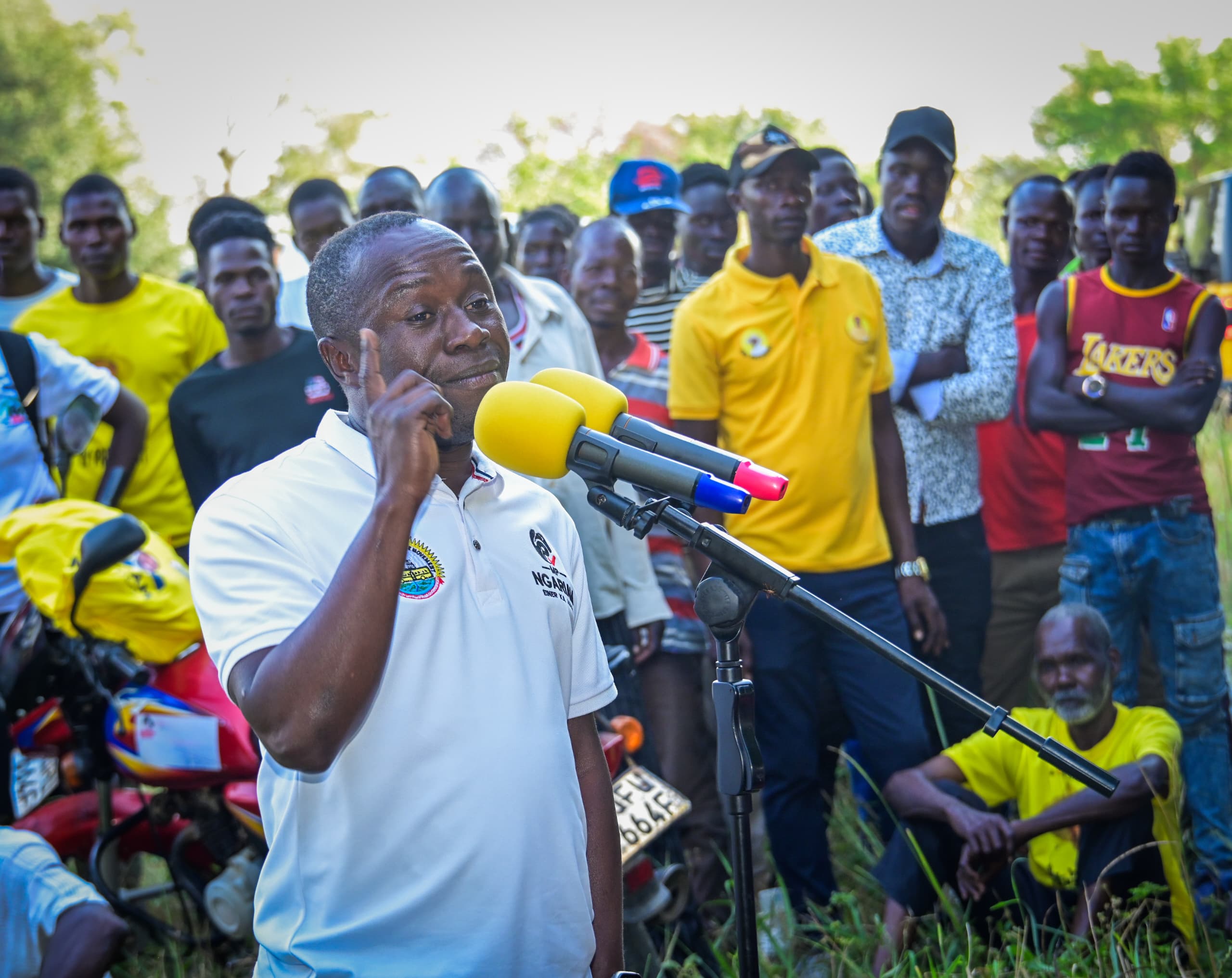
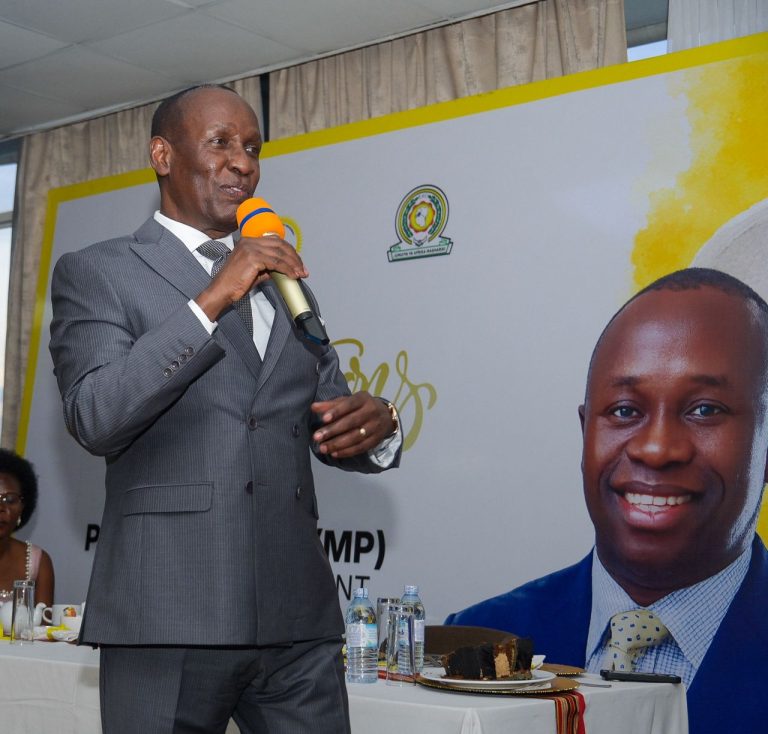
“Come July, free education will not be a suggestion. It will be compulsory, and it is a must,” Ogwang told residents, warning headteachers against charging any additional fees
By Our Reporter I Ngariam Focus
ALELES PARISH,AKOBOI SUBCOUNTY- The government is shifting from promises to enforcement as it sets July 2026 as the cut-off point for all schools to fully comply with free universal primary and secondary education, a move officials say will finally end the era of “illegal school charges” that have locked thousands of children out of classrooms.
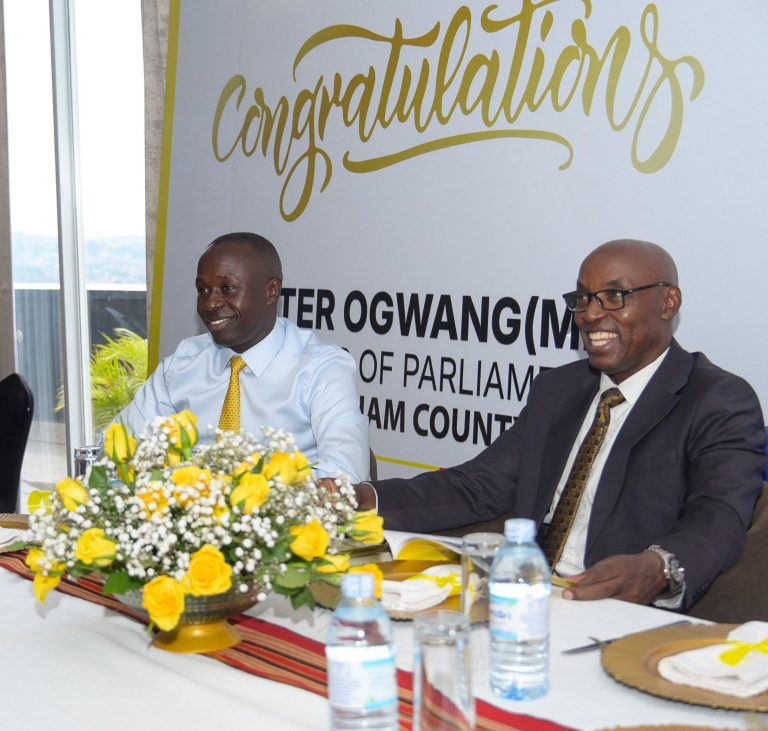
Speaking at campaign rallies in Aleles and Atekwa villages in Akoboi Subcounty, Ngariam County, the Minister of State for Education and Sports, Hon. Peter Ogwang, says government funding is now sufficient and no school will be allowed to burden parents with extra levies.
“Come July, free education will not be a suggestion. It will be compulsory, and it is a must,” Ogwang told residents, warning headteachers against charging any additional fees.
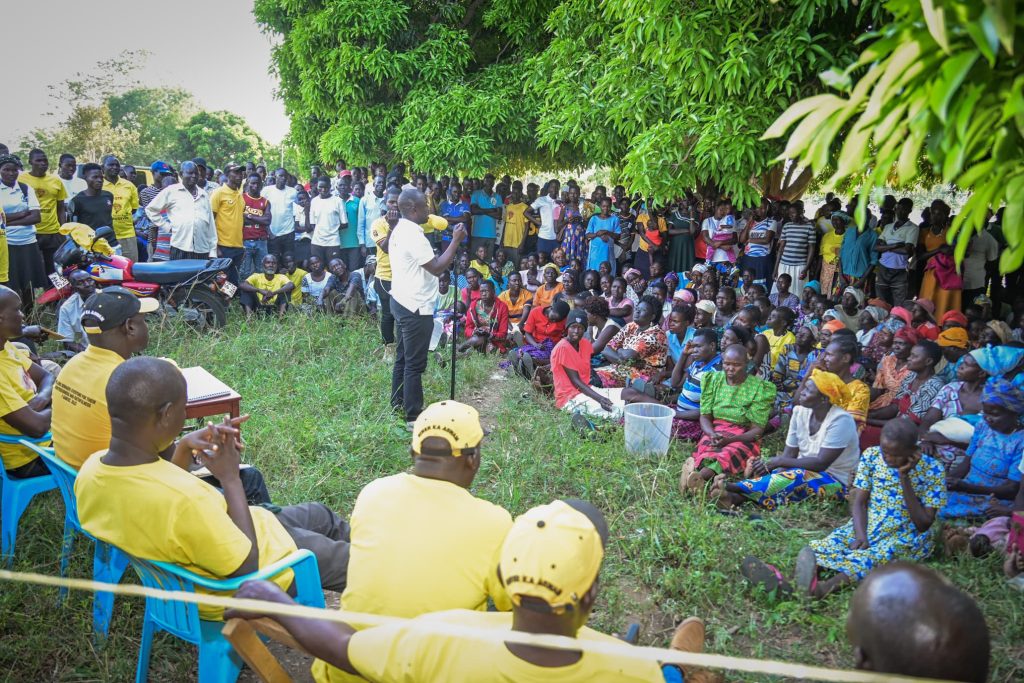
Government Targets ‘Silent Fees’ in Schools
Hon. Ogwang says government has identified so-called silent fees—including borehole contributions, teachers’ accommodation fees and religious charges—as the biggest drivers of school dropouts, especially in rural communities.
According to the minister, these costs have quietly shifted the burden of education back to parents, undermining the very spirit of universal education. He insists that once July arrives, such charges will be treated as acts of defiance against government policy.
Parents Prepare to Return Children to Class
The announcement has been warmly received by parents, many of whom say the policy will allow their children to return to school.
Angella Apio, a 38-year-old single mother from Aleles Village, says the directive is a major relief.
“Now that government has relieved us of the burden of paying fees for so many items, I can now focus on buying scholastic materials and feeding the child at school,” Apio says.
Residents in Aleles and Atekwa describe the policy as a turning point, noting that education will no longer compete with basic household survival.
Education as a Social Equalizer
Education analysts say the July enforcement could mark a decisive moment for access to education if government follows through with strict supervision and accountability.
They argue that compulsory free education, backed by adequate funding, has the potential to reduce inequality, cut dropout rates and keep vulnerable children—especially girls—within the education system.
As July approaches, attention now turns to school administrators and district education officers, who will be expected to ensure that free education moves from policy to practice.
Related News
Advertisement

Advertisement
News Updates


Advertisement