

May 14, 2026 | 4 views
By Our Reporter
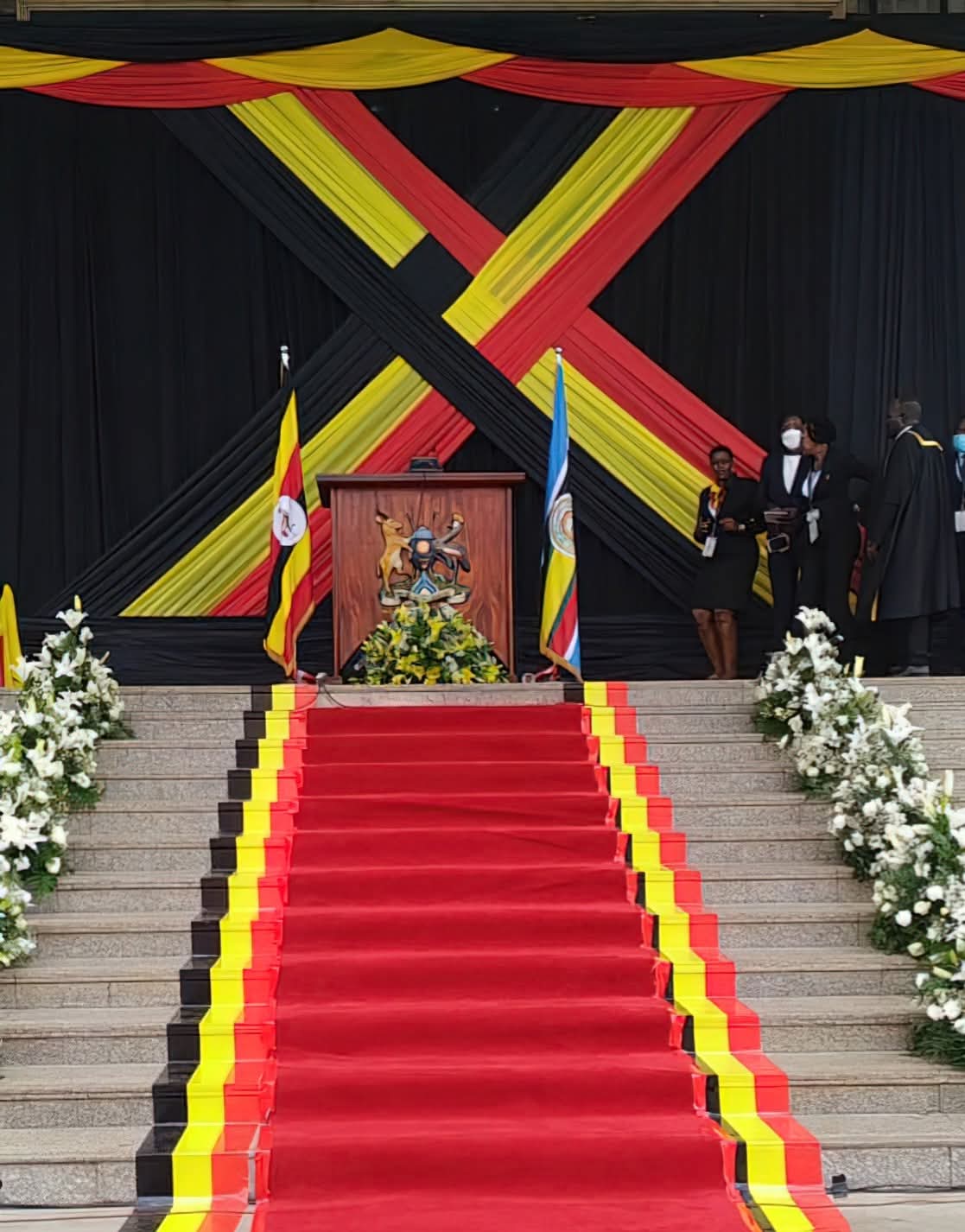
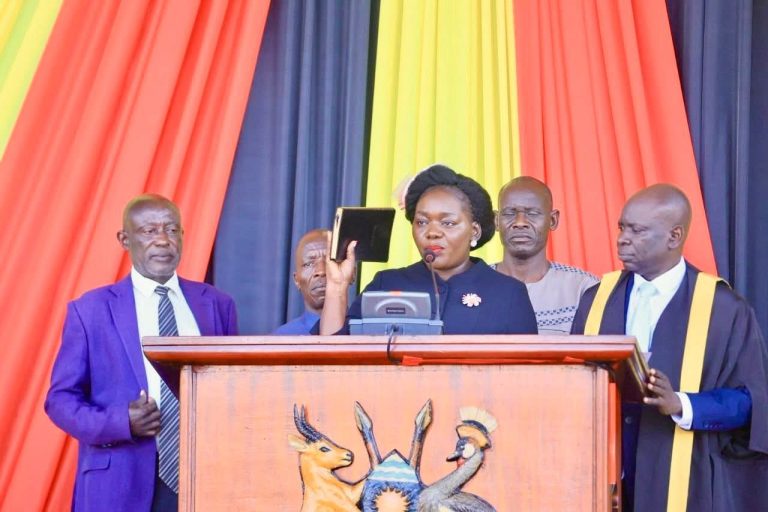
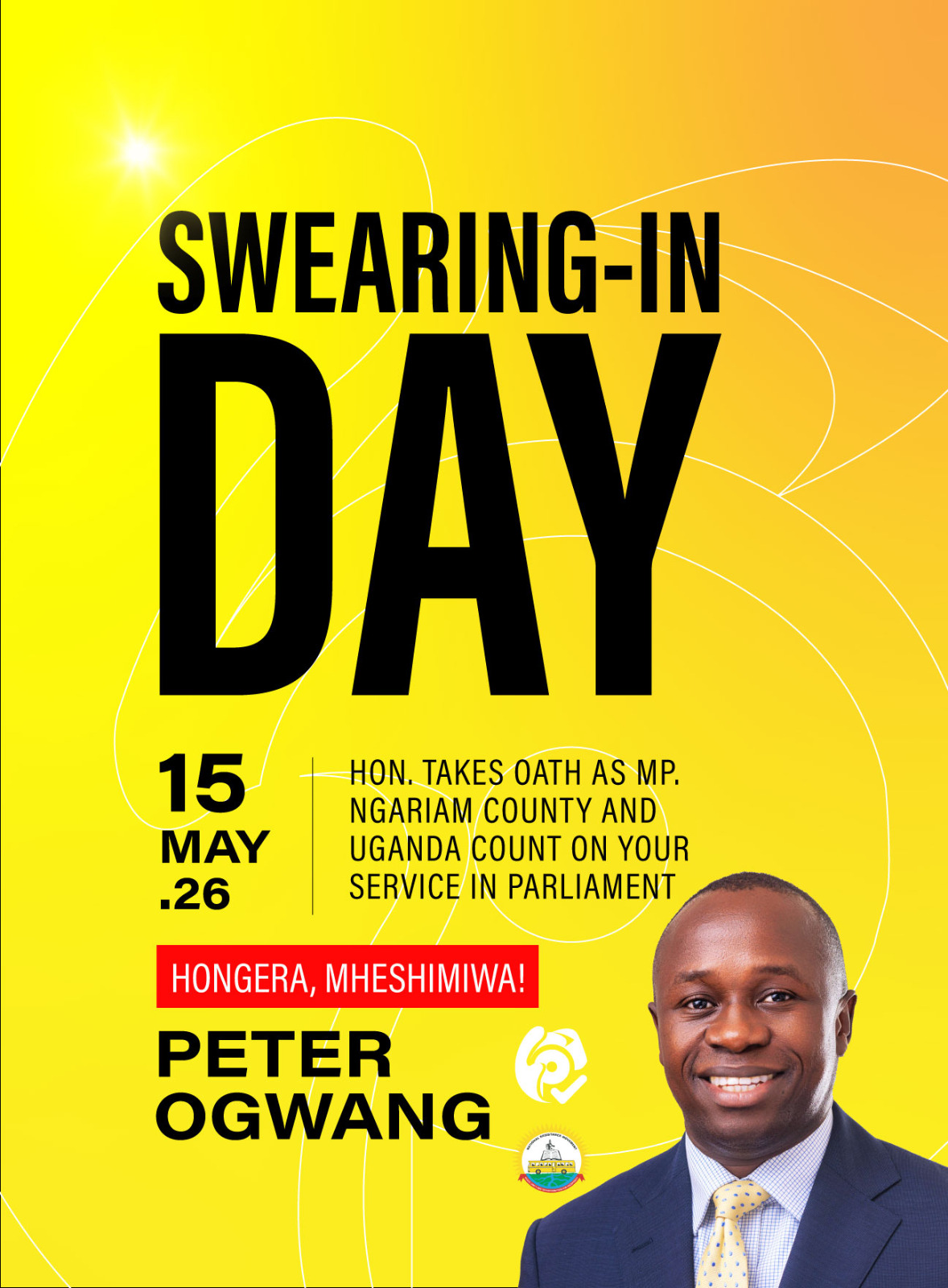
PARLIAMENT-One by one, the newly elected Ugandan Members of Parliament stepped to the podium in the House this week to take their oath. With a hand on the Bible or Quran, each recited two oaths before they could sit in Parliament.
The first is the Oath of Allegiance:
_“I…………………………(Name) swear in the name of the Almighty God/solemnly affirm that I will be faithful and bear true allegiance to the Republic of Uganda, and that I will preserve, protect and defend the Constitution. (So help me God.)”
The second is the Oath of Member of Parliament:
_“I……………………………….(Name)swear in the name of the Almighty God/solemnly affirm that I will give faithful service to this Parliament and support and uphold the Constitution of the Republic of Uganda as by law established. (So help me God.)”
Those who do not subscribe to a religion make a solemn affirmation without mentioning God. The Clerk to Parliament administers both oaths.
The ceremony is more than ritual. Article 81(4) of the Constitution makes it clear that no person elected to Parliament can assume office until they take and subscribe to these oaths. Without them, an MP cannot sit, debate, vote, or draw a salary, and the seat risks being declared vacant. It is a public pledge of loyalty to the country and the Constitution, not to a party or individual, and it provides the legal foundation for Parliament to function.
This swearing-in marks the birth of the new Parliament and sets the balance of power for the next five years. The number of MPs sworn in determines which party holds the Speakership, controls committees, and can pass legislation.
For voters, it is the first moment their electoral choice is translated into formal authority and accountability. Breaking the oaths can lead to censure, recall, or legal action, making the moment both symbolic and binding.
Now that the oaths are done, Parliament will move to elect a Speaker and Deputy Speaker, receive the President’s address, and begin legislative work. Committees will be formed, Bills introduced, and oversight of government will start.
For seats still under court challenge, MPs can be sworn in but will lose the seat if the court nullifies the election. The oaths taken at the podium are a reminder that the mandate belongs to the people, and the Constitution remains the standard by which every Member will be judged.
Related News

Advertisement

Advertisement
News Updates


Advertisement